On this page (5 sections)
The two gateways, and which line is yours
The subway meets the airport at two AirTrain stations, and your destination picks the gateway. Jamaica connects to the E, the midtown workhorse, about 50 minutes to Penn Station, and to the J and Z, which run toward lower Manhattan through Bushwick and Williamsburg, about 50 minutes to those neighborhoods. Howard Beach connects to the A, the one-seat ride for lower Manhattan, about 60 minutes, and for much of Brooklyn on the way.
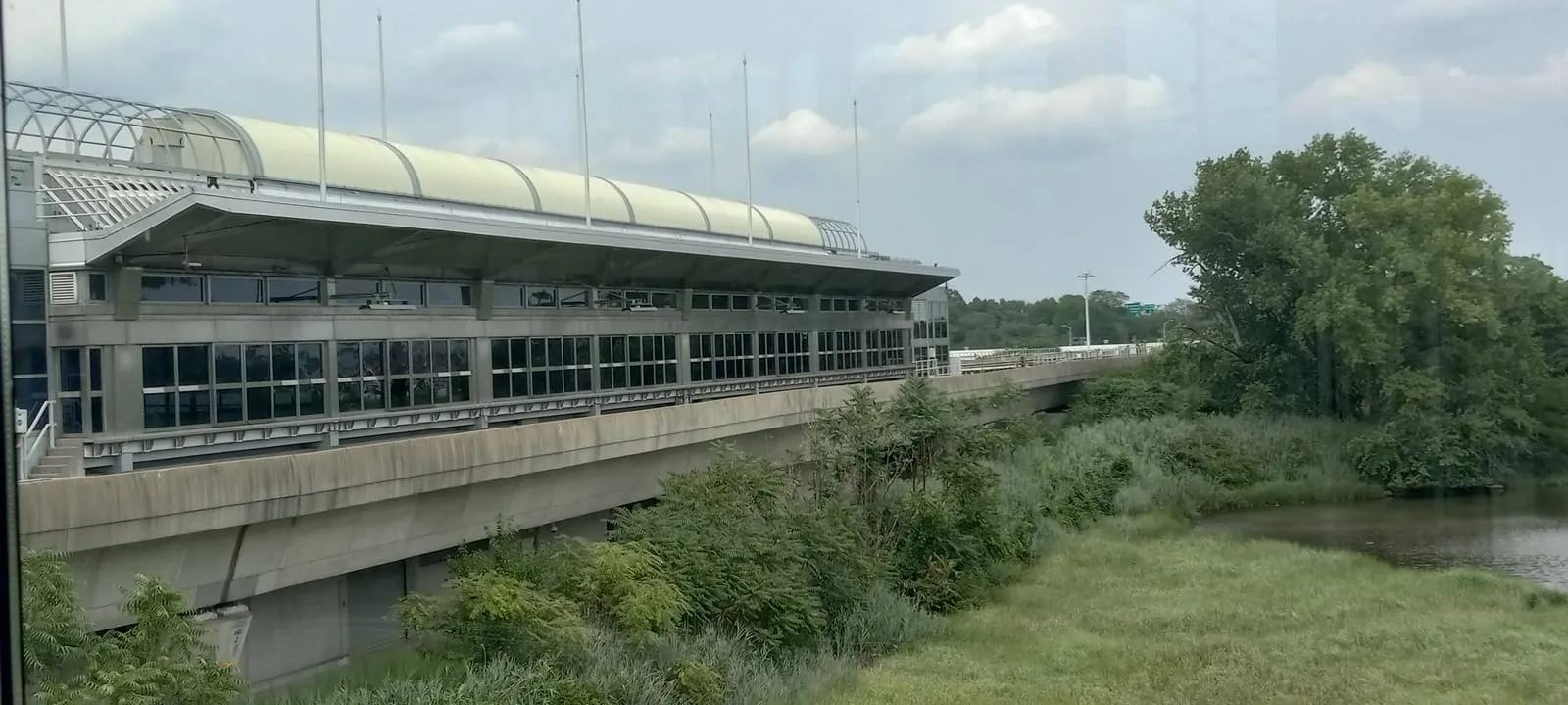
Rules of thumb: midtown and the East Side, take the E from Jamaica; downtown or brownstone Brooklyn, the A from Howard Beach; north Brooklyn, the J or Z. The full trip comparisons, including where the LIRR's extra few dollars buy 20 minutes, live on the Manhattan guide and the Brooklyn guide.
Paying: $3.00, tapped, with two caps that never meet
The subway fare is $3.00, tapped at the turnstile with any contactless credit or debit card, phone, watch, or an OMNY card from the vending machines, and once you are in, distance is free: one stop or the end of the line, same fare. OMNY caps subway and local bus spending at $35 in a rolling 7-day window, which frequent riders hit automatically.
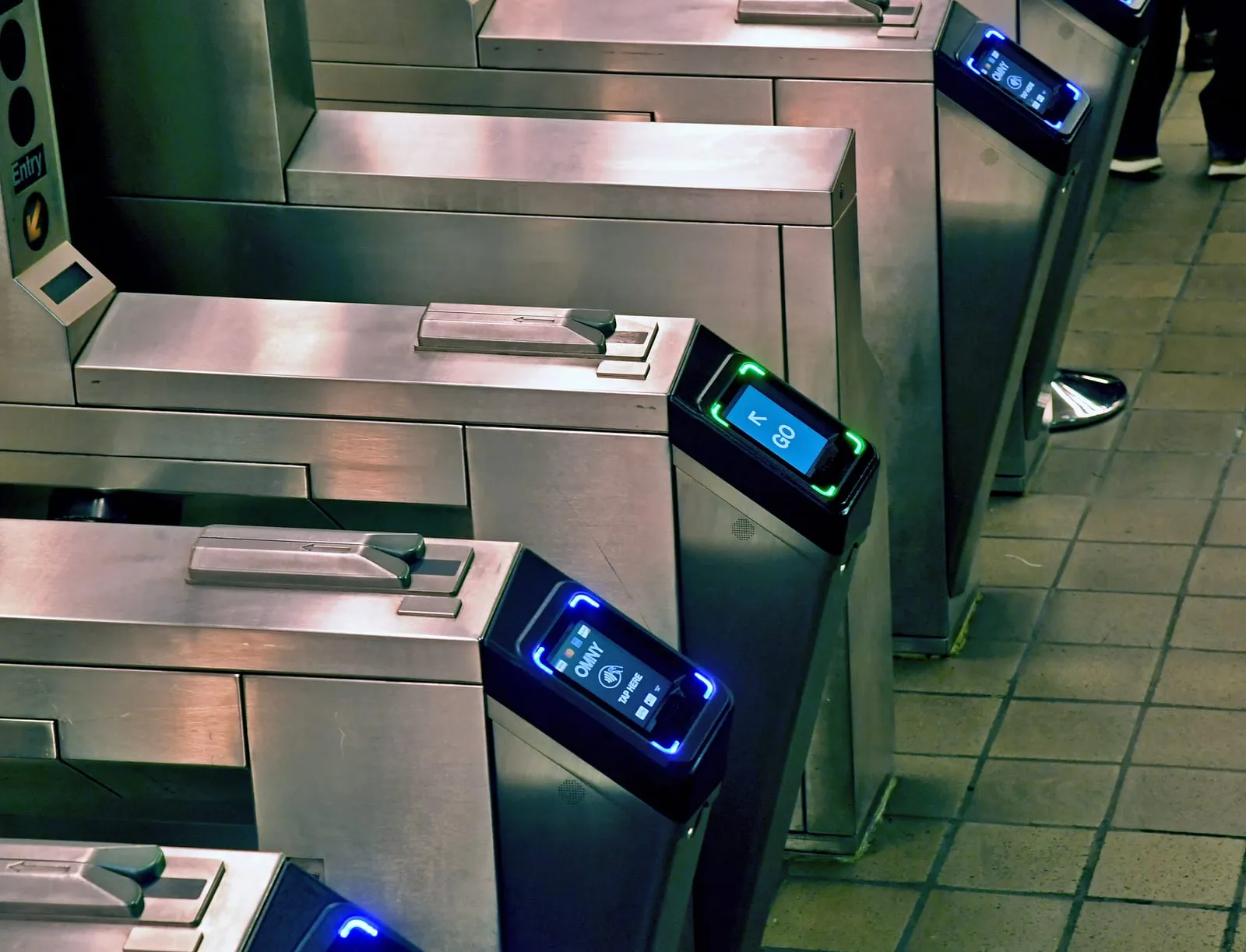
The trap worth a paragraph: the subway's cap and the AirTrain's separate 30-day, $43.50 cap are different systems and never pool. The AirTrain charges its $8.75 at its own gates at Jamaica and Howard Beach, on top of anything you spent on the subway, which is how the $11.75 total is built and why no amount of subway riding makes the AirTrain leg free.
Step by step, terminal to town
From any terminal: follow the AirTrain signs upstairs, board either line at your terminal's station, and choose your exit. For the E, J or Z, ride to Jamaica Station, tap out ($8.75), and follow the signs down into the subway at Sutphin Boulevard-Archer Avenue, where a second tap ($3.00) puts you on the platform. For the A, ride to Howard Beach, tap out, and cross into the subway station the same way.
Trains toward Manhattan are marked clearly on the platform signs; with a phone in hand, the MTA's own JFK guide settles any doubt, and for unusual hours the rule is simply to leave margin, because frequencies stretch late at night.
From the city to JFK, and the A-train branch trap
Reverse the trip and one detail becomes load-bearing. On the E, J or Z, get off at Sutphin Boulevard-Archer Avenue-JFK Airport, the station with the airport in its name, one stop before the line's Jamaica Center terminus, and follow the AirTrain signs up. On the A, check the train's destination before you board: the line branches in Queens, and only trains toward Far Rockaway or Rockaway Park stop at Howard Beach-JFK Airport, while Ozone Park-Lefferts Boulevard trains take the other branch. The platform and car signs state the destination; trust them over habit.
At either gateway, allow for the AirTrain wait, up to 15 minutes off peak, on top of the ride to your terminal, and then the terminal's own advice applies: two hours before domestic, three before international. Which terminal you need is on the airline terminal guide.
Practical tips
- Tap the same card for everyone's fares you pay. OMNY charges per tap, a phone can pay for companions, and the AirTrain's group discount keys off one shared card too.
- On the A toward JFK, read the destination sign. Far Rockaway or Rockaway Park serves Howard Beach; Lefferts Boulevard does not. This one line is most of what goes wrong on the subway route.
- Weigh the LIRR at Jamaica before descending to the subway. Same complex, $2.25 to $4.25 more, roughly 20 minutes faster to Penn Station with luggage space. The platforms sit an escalator apart.
- Do not budget the subway cap against the AirTrain. They are separate systems; the $11.75 is real money even for a heavy OMNY user.
- Late night or heavy bags, buy your way out. The subway's price advantage is smallest exactly when its comfort disadvantage is largest. The comparisons on the transport hub are there for that call.